Loading Unloading Contractor in Madhya Pradesh for Industrial Material Handling
Defined handling teams for railway rakes and wagons, coal and cement material, trucks, warehouses, plant yards, stacking and internal material movement. This is an industrial contracting service, not household shifting, truck booking or equipment sales.
Industrial Handling Starts with a Defined Source, Route and Destination
RP Mishra & Sons discusses industrial loading and unloading services with plant owners, manufacturers, logistics teams, warehouse operators, civil contractors and project procurement teams. The company is based in Satna district and has operated since 1998. A useful requirement is more specific than asking for labour alone. It states what material will move, where it arrives, where it must go, how it is packed, the expected quantity, available handling method, work window and site responsibilities.
As a loading unloading contractor in Madhya Pradesh, the business considers railway rake and wagon operations, truck loading and unloading, coal and cement handling, warehouse dispatch, stacking, internal shifting and general plant material movement. Each activity is reviewed against site access, shift timing, material condition, manual or mechanical interface, supervision, tools, personal protective equipment and reporting expectations.
Rake unloading and material-handling crews can be planned from the company’s broader manpower strength of approximately 1,500 to 4,000. The owner-reported pool includes approximately 1,500 machine operators, 500+ helpers and 600+ supply-labour personnel, subject to the required equipment, rake or wagon type, material, shift, location and current deployment.
The page is designed for industrial enquiries across cement plants, thermal power plants, steel plants, coal-related sites, factories, warehouses, railway-linked yards, road and infrastructure projects. It does not promise owned machinery, fixed tonnage, guaranteed rake clearance, zero loss or statutory authorisation. Any such responsibility must be supported by the agreed contract and project records.
Loading, Unloading and Material Movement by Work Environment
Every environment changes the method. The service scope is built around the material flow, not a generic crew description.
Railway Rake and Wagon Handling
Loading, unloading, placement-window coordination and ground movement under an agreed siding, yard or plant procedure.
Coal Loading and Unloading
Coal-related handling requirements for industrial yards, plants, stockpiles, trucks or railway-linked operations, subject to the confirmed method.
Cement and Bagged Material Handling
Bag, truck, warehouse, dispatch and yard movement where packaging, breakage control and stacking pattern are clearly stated.
Truck Loading and Unloading
Manual or equipment-assisted interfaces for industrial vehicles, with vehicle type, turnaround expectation and unloading point clarified.
Warehouse and Dispatch Support
Receipt, unloading, segregation, stacking, picking, loading and dispatch support against the facility workflow.
Plant and Factory Material Movement
Internal shifting between receipt, storage, production, maintenance, yard and dispatch points within the agreed boundary.
Stacking and Site Support
Orderly ground placement, stack formation, housekeeping support and movement assistance where material condition and layout are known.
Choose the Handling Environment
Use the selector to see what information normally changes between a siding, truck bay, warehouse and plant yard.
Railway-Linked Scope
- Wagon or rake type and placement information
- Material form, packaging and quantity basis
- Loading or unloading method and ground route
- Siding access, work window and client procedure
- Tools, equipment, supervision and reporting ownership
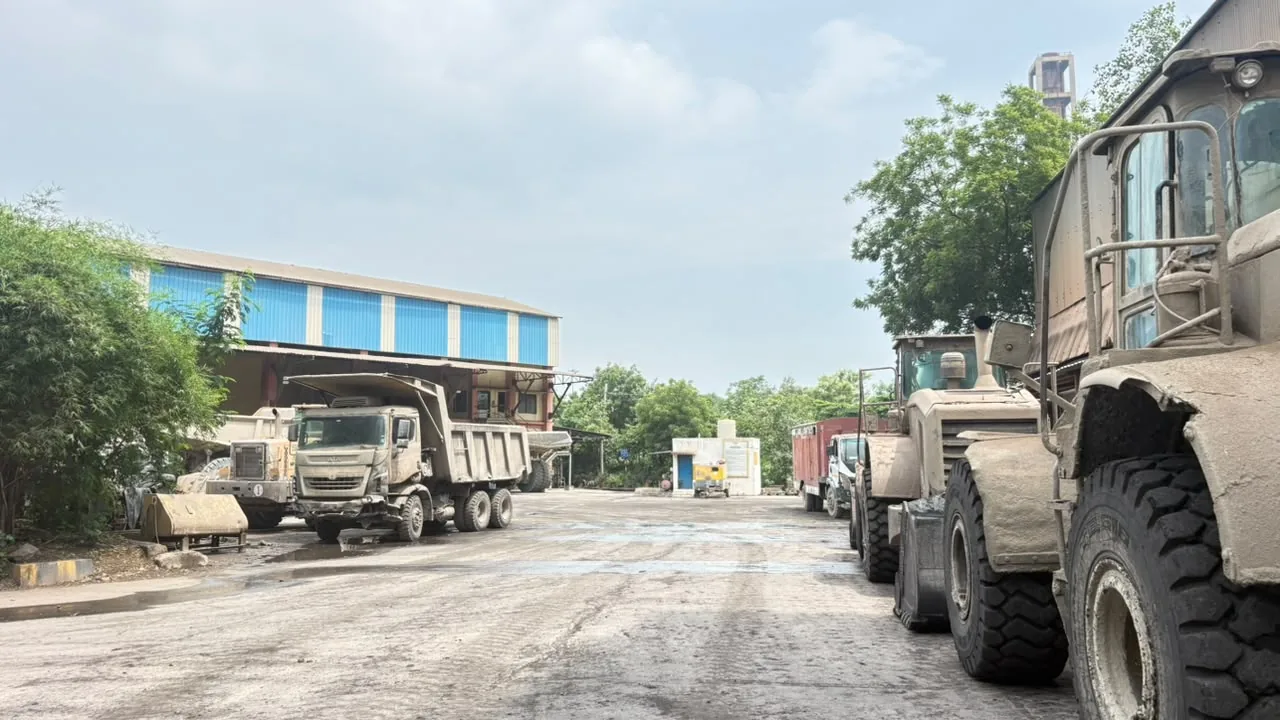
Truck-Bay Scope
- Vehicle body, material and packaging
- Loading direction and bay access
- Manual or equipment-assisted interface
- Staging, stacking and destination point
- Vehicle sequencing and shift window
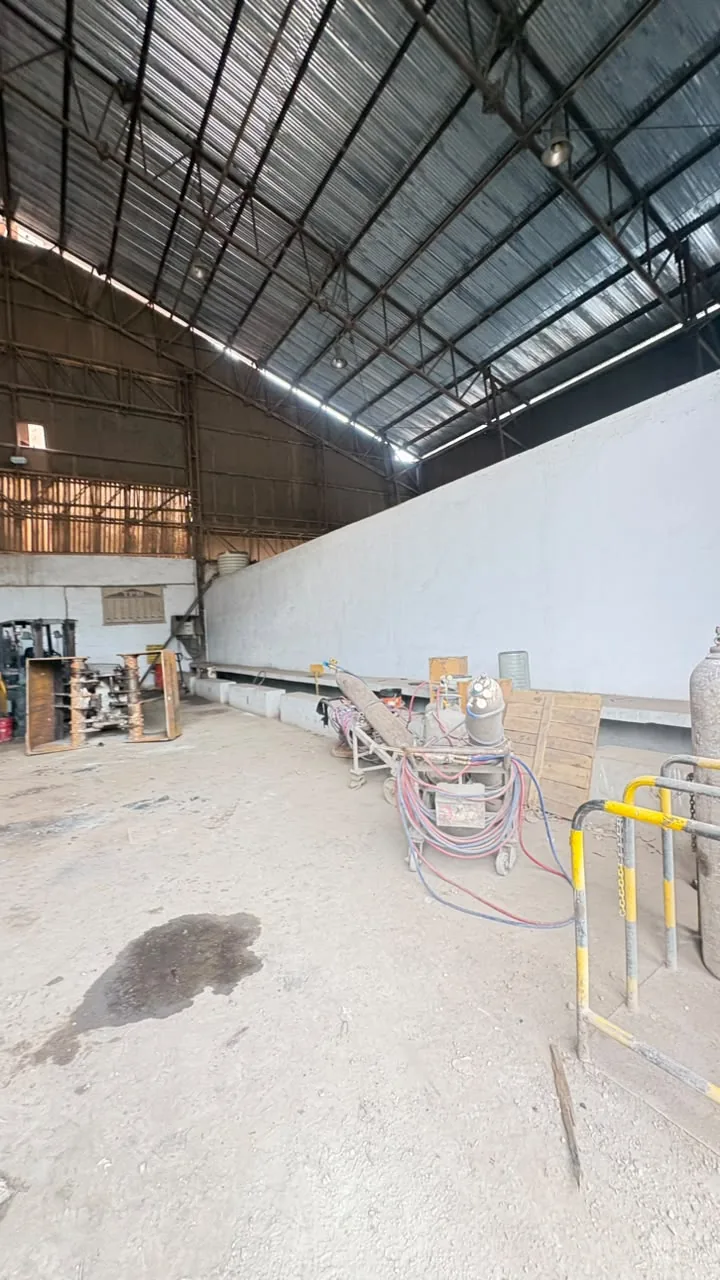
Warehouse Scope
- Receipt, storage, picking or dispatch stage
- SKU or material identification method
- Stack height and aisle constraints
- Shift, attendance and reporting process
- Facility equipment and safety procedure
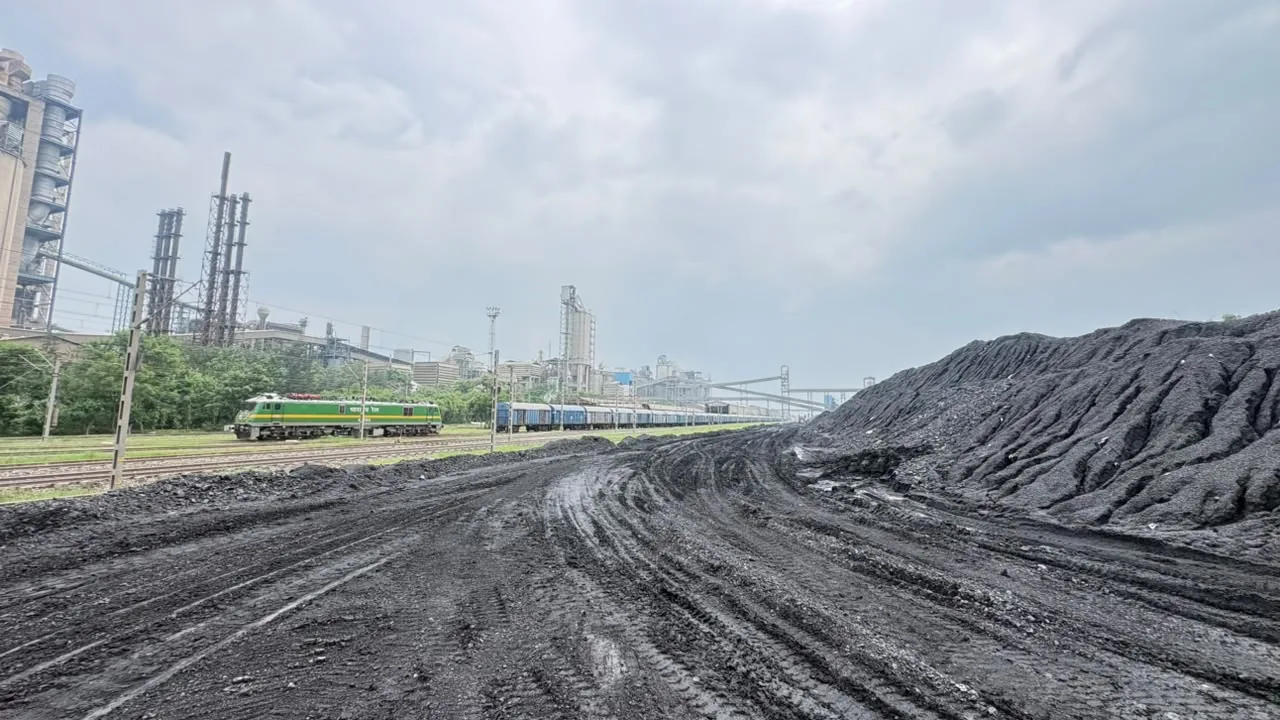
Plant-Yard Scope
- Source and destination within the site
- Ground condition and movement route
- Material condition and stockpile plan
- Equipment interface and exclusion zones
- Housekeeping, spillage and handover basis
Railway Rake Loading Unloading Contractor for Defined Siding Work
A railway rake loading unloading contractor must work within a tightly defined operational boundary. The enquiry should identify whether the location is a plant siding, railway goods area or linked yard, along with the rake or wagon information, material, packaging, quantity basis and placement window. Ground movement after unloading also matters. Material may need to reach a stack, truck, warehouse or plant point, but that route cannot be assumed from the word “unloading”.
RP Mishra & Sons discusses manpower and handling requirements for railway-linked industrial work. The project team should state the client procedure, site access, induction, lighting, tools, equipment interface, supervision, documentation and handover requirements. Railway permissions, liaison responsibility, weighment, damage liability, demurrage and completion targets belong in the written commercial scope. The website does not claim that these responsibilities are automatically included.
For a confirmed rake unloading requirement, the company can review machine-operator, helper, supply-labour and supervisory needs as part of the handling plan. A stated manpower pool is not the same as guaranteed same-day deployment; the exact crew is confirmed only after placement timing, work window, route and equipment interface are known.
Information Needed Before Planning
- Rake or wagon information
- Material and packaging
- Placement window
- Loading or unloading point
- Ground movement route
- Client operating procedure
- Site equipment status
- Reporting and handover
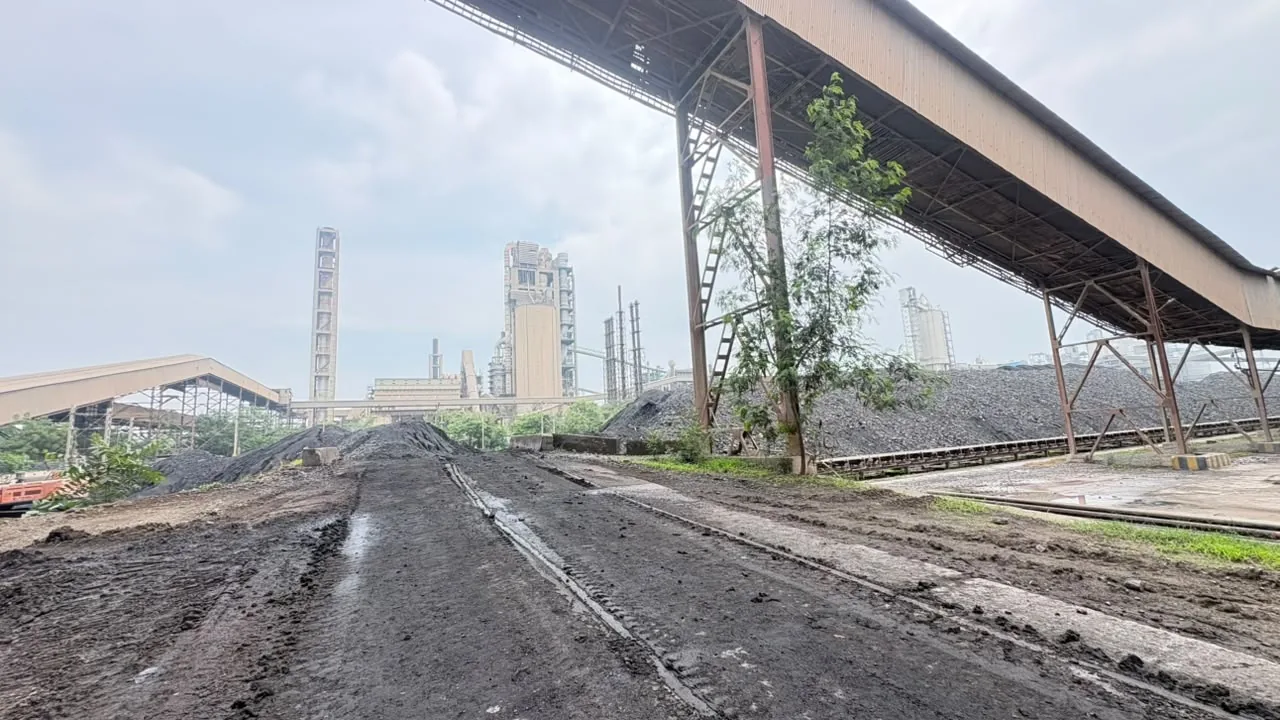
Coal, Cement, Truck and Warehouse Handling
Related activities share a workforce need, but the material, packaging, site and movement method produce different risks and planning questions.
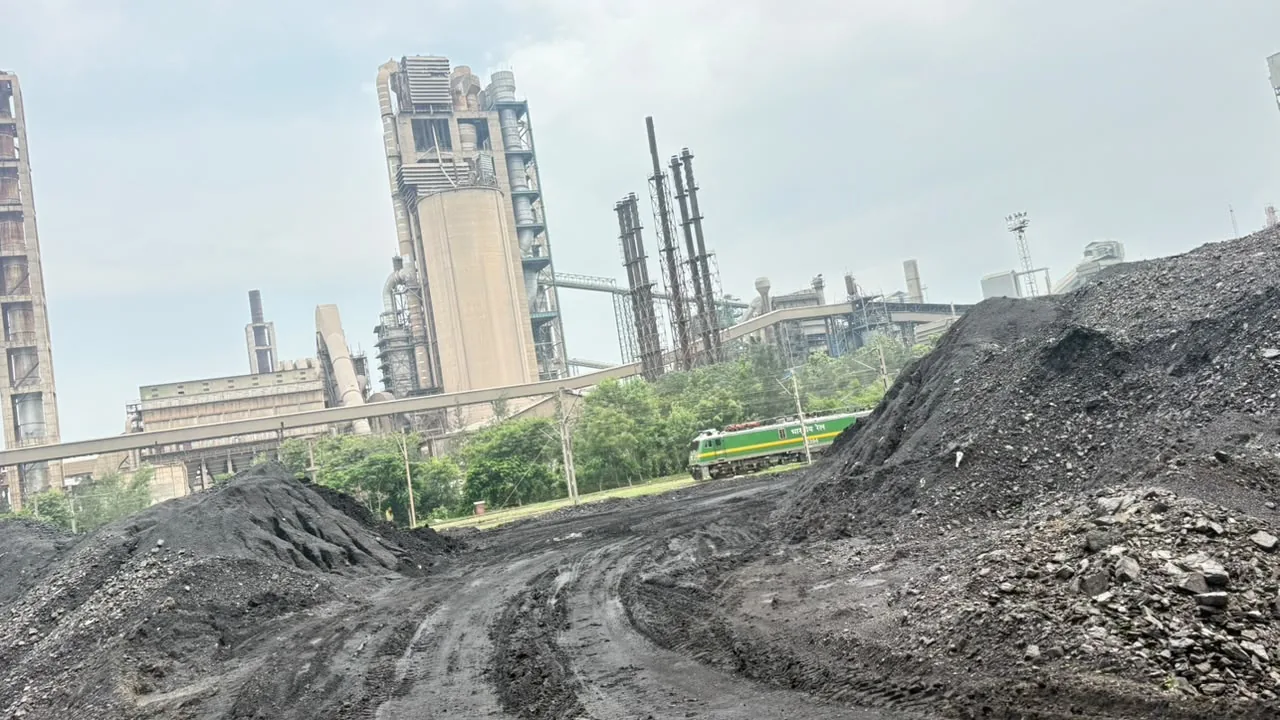
Coal Loading Unloading Contractor
Coal handling may involve a stockyard, truck, railway-linked point or plant movement requirement. The brief should specify coal condition, source, destination, quantity basis, loading method, available equipment, shift window, ground condition, spillage responsibility and reporting. Coal supply, transport, weighment or liaison are separate commercial matters unless the written scope includes them.
Thermal power plants, coal suppliers and industrial consumers can discuss workforce and handling support for a confirmed activity. No fixed tonnage, equipment fleet, transit-loss result or clearance time is claimed on this page.
Discuss coal handling scope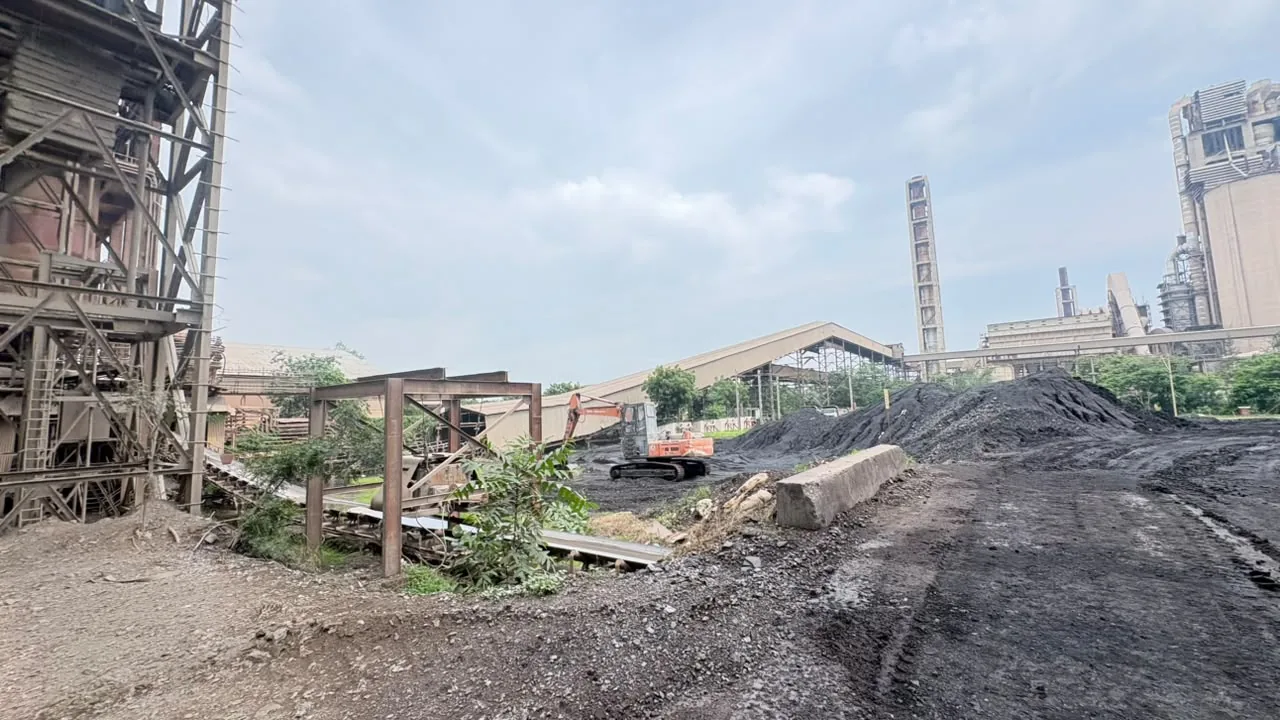
Cement Loading Unloading Contractor
Cement and related plant material can be loose, bagged or handled through an equipment-assisted process. A cement loading unloading contractor needs the exact material and packaging, because bag handling, yard movement and bulk transfer are not interchangeable activities. The client should share the truck or wagon type, stack pattern, handling route, breakage controls, covered-area status and plant safety procedure.
RP Mishra & Sons can discuss cement-plant loading, unloading, warehouse, dispatch and material-movement requirements around Satna, Maihar and other suitable project locations. Exact material compatibility and work method are confirmed before mobilisation.
Discuss cement handling scopeMaterial and Movement Directory
These are enquiry categories, not blanket claims that every material, method or equipment arrangement is available at every location.
Coal
Stockyard, truck, railway-linked and plant movement scope.
Cement
Bagged or bulk context must be identified before planning.
Bagged Industrial Material
Packaging, weight, breakage control and stack pattern required.
Plant Components
Dimensions, weight, lift points and equipment responsibility required.
Steel and Fabricated Items
Item form, weight, stability and stacking method must be confirmed.
Construction Material
Material condition, site route and destination govern the plan.
Warehouse Goods
Receipt, identification, aisle, stack and dispatch process required.
Other Industrial Material
Reviewed only after material data and work method are shared.
Manpower and Equipment Interface Planning
A material handling contractor in Madhya Pradesh may work alongside client-provided equipment, a separately appointed equipment agency or another agreed arrangement. The website does not claim ownership or availability of loaders, forklifts, cranes, conveyors, dumpers, weighbridges or railway systems. The equipment boundary must be recorded for the project.
Workforce planning depends on the material, handling method, travel distance, shift, vehicle or wagon cycle, ground condition, manual handling limits and supervision structure. The requirement may involve loaders, unloading workers, material handlers, helpers, stackers or supervisors, but exact categories and headcount are project-specific. Worker qualifications, licences or certifications are never assumed.
Responsibility Matrix to Confirm
Industrial Handling Quotation Checklist
Complete information reduces assumptions. Expand each group and share the applicable points with the enquiry.
Material Details
- Material name and condition
- Loose, bagged or fabricated
- Unit or package weight
- Dimensions where relevant
- Moisture or dust concerns
- Special handling limits
Movement Route
- Exact source point
- Exact destination point
- Internal travel distance
- Ground and slope condition
- Stack or discharge pattern
- Return or empty movement
Vehicle or Railway
- Truck, wagon or rake type
- Vehicle or wagon count
- Placement and release window
- Bay or siding access
- Sequencing procedure
- Client coordination contact
Quantity and Schedule
- Quantity basis
- Expected daily cycle
- Shift pattern
- Start date
- Project duration
- Peak or seasonal variation
Equipment and Tools
- Site equipment available
- Equipment agency, if separate
- Manual handling interface
- Tools responsibility
- Lighting and power
- Equipment operator responsibility
Safety and Commercial
- Site induction and permits
- PPE responsibility
- Supervision and reporting
- Damage and shortage basis
- Housekeeping and spillage
- Accommodation and transport
From Requirement to Mobilisation
No universal mobilisation promise is made. The sequence protects both parties from an incomplete work scope.
Requirement
Receive the material, route, quantity, location and schedule.
Clarification
Identify missing operational and commercial information.
Site Review
Review site data or visit where the scope requires it.
Work Method
Define workforce, equipment interface and responsibilities.
Proposal
Issue a project-specific commercial and operating basis.
Mobilisation
Proceed after approvals, documents and site readiness.
Industrial Project Environment
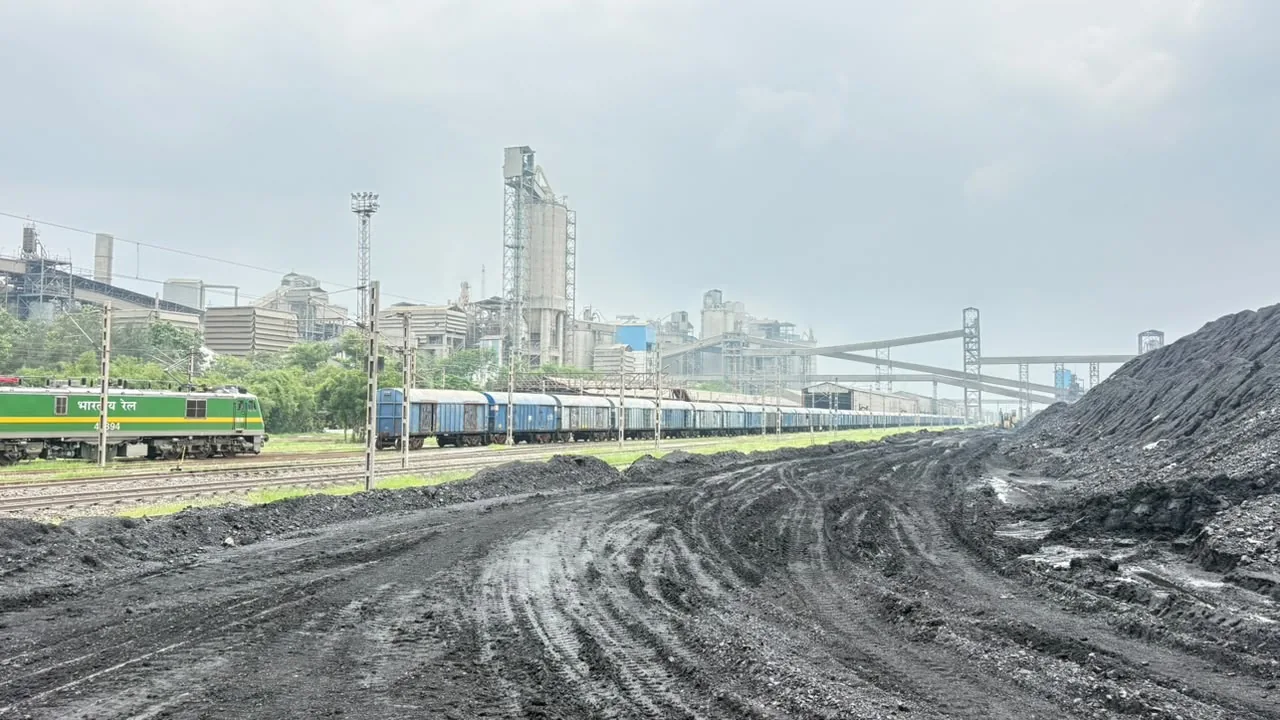
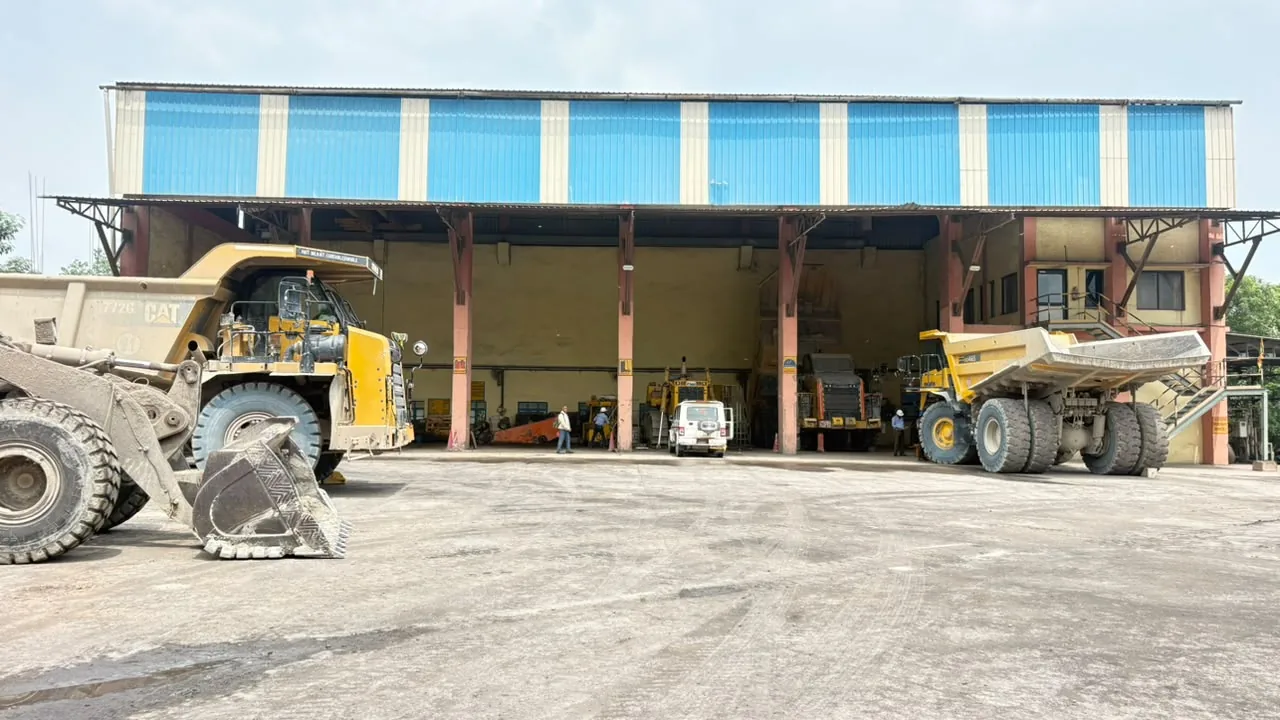
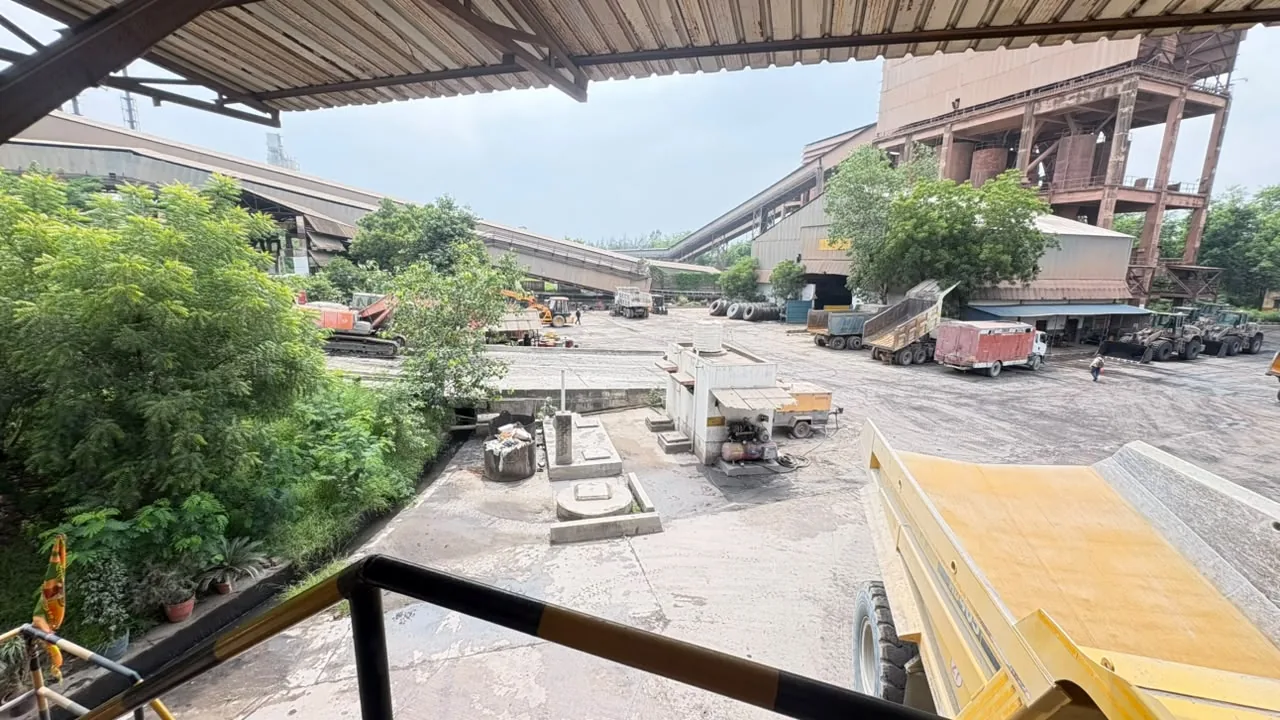
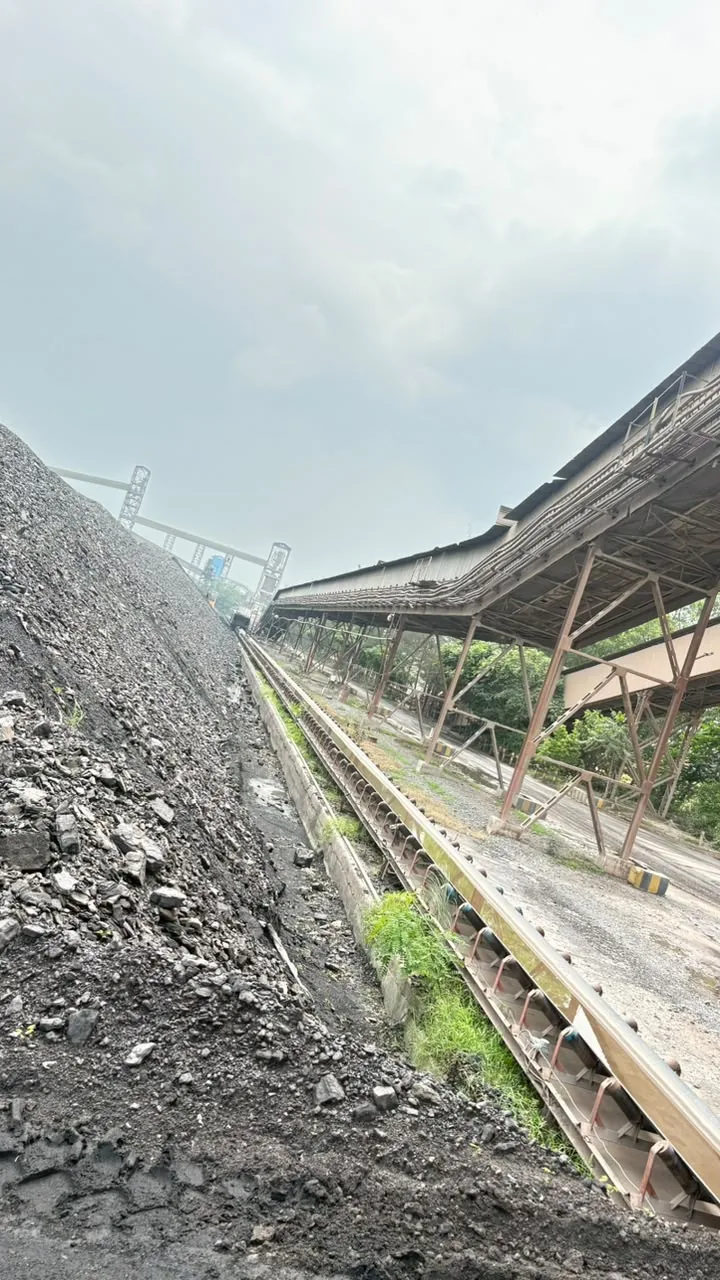
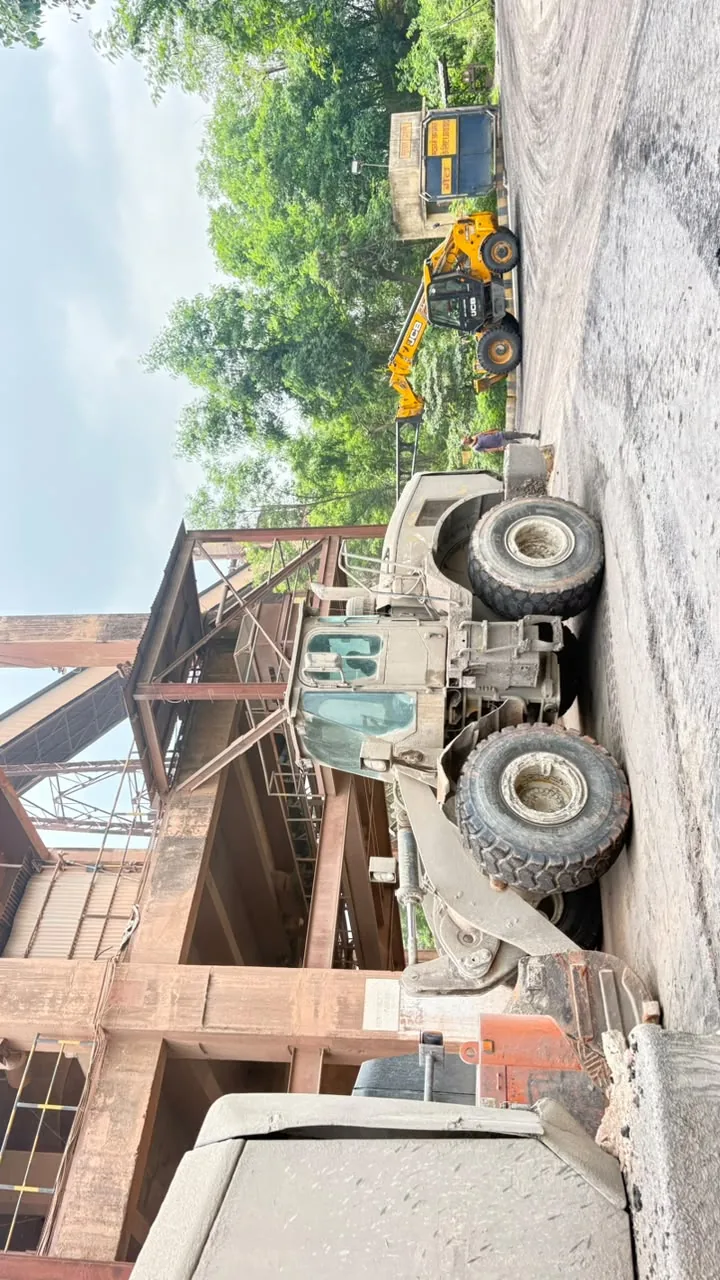
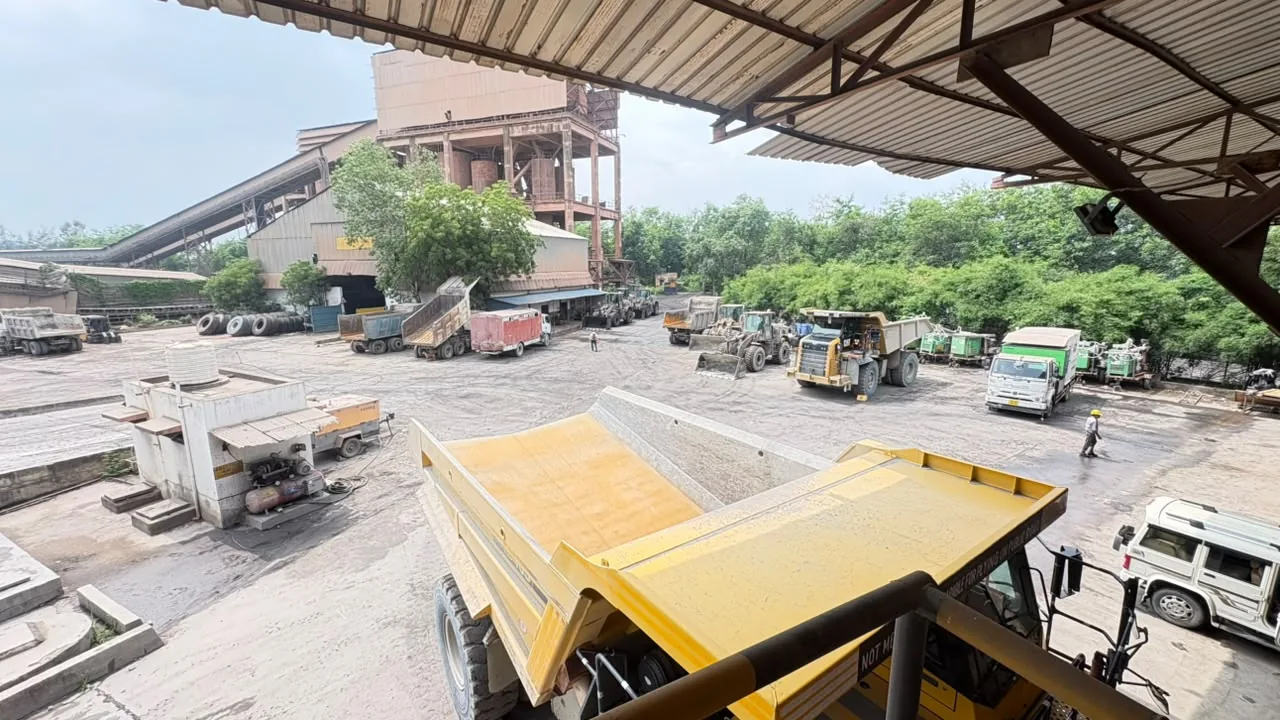
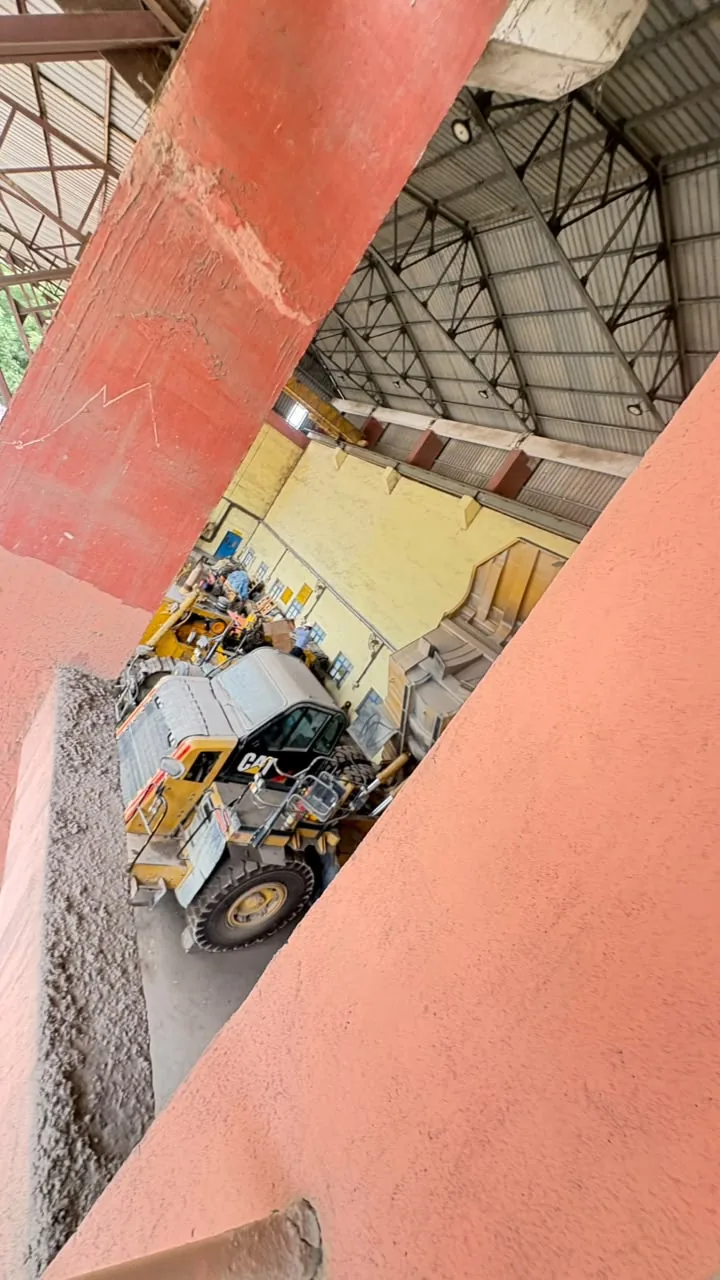
First-party photographs show plant yards, stockpiles, heavy vehicles, conveyors and warehouse areas. They are presented as site evidence, not as unsupported client or completed-project claims.
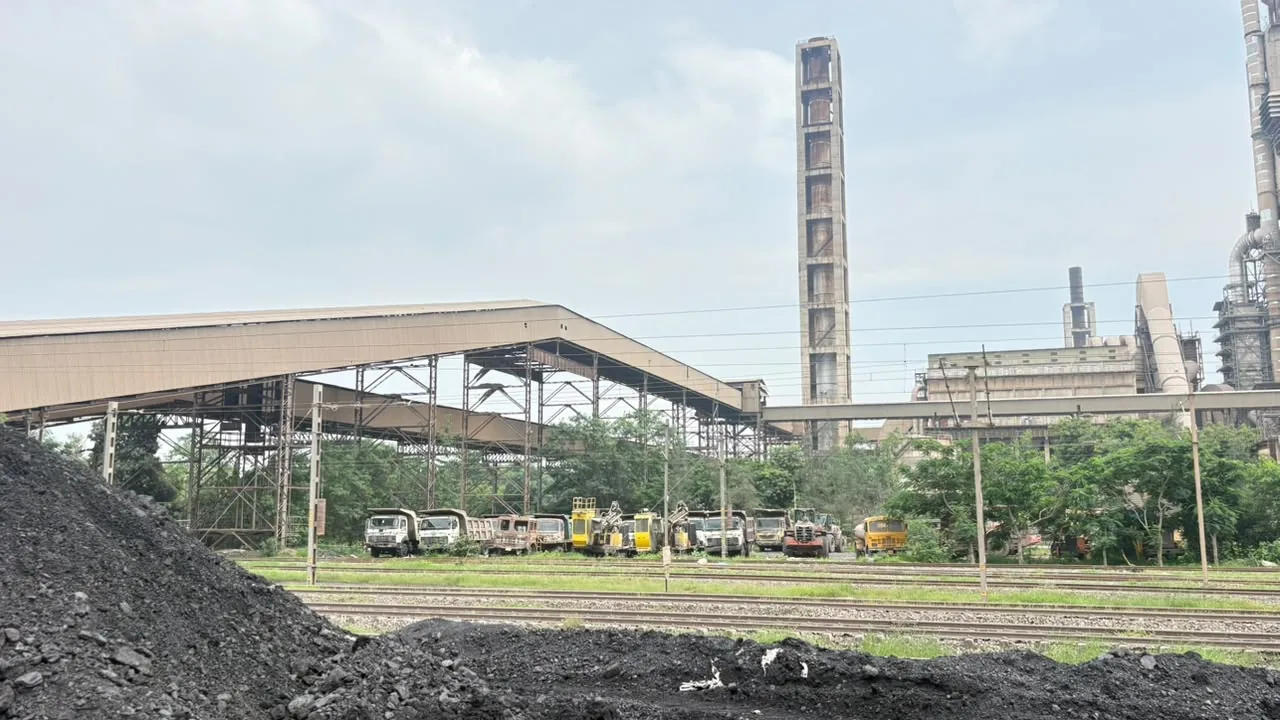
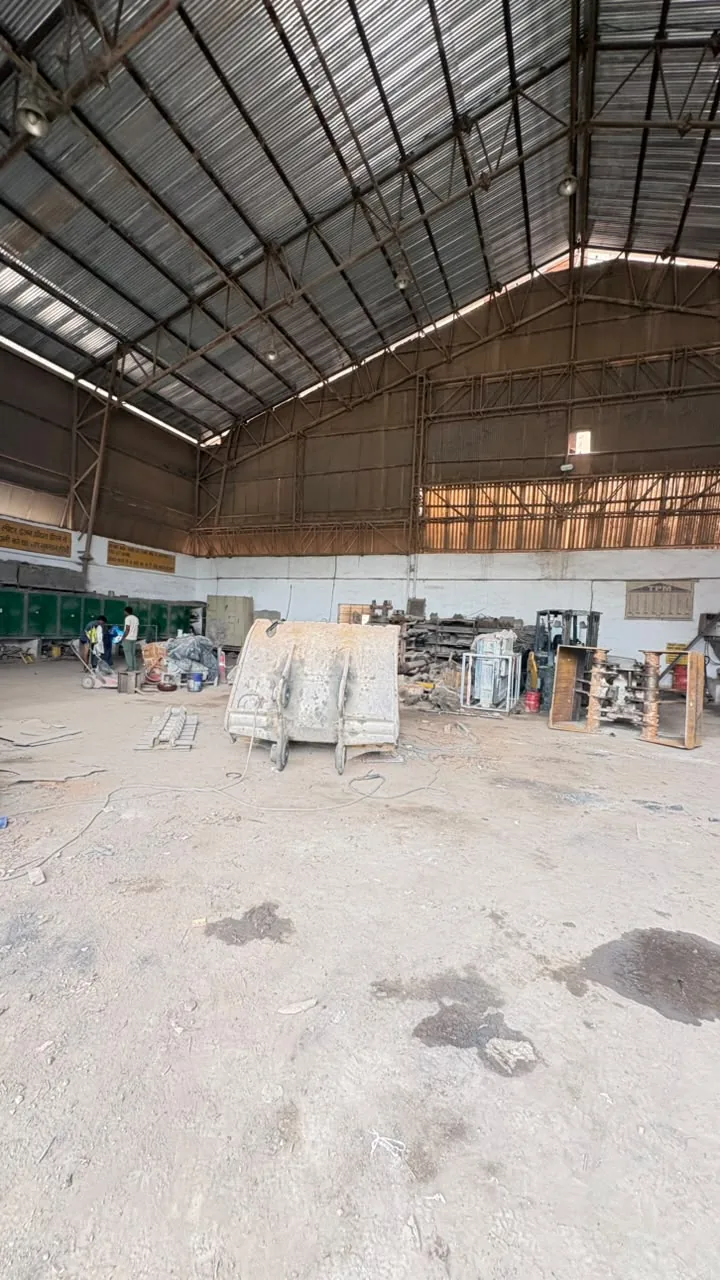
Client names, dates, contract values, handled quantities and activity descriptions will be added only after matching documentary verification and image permission.
Why Industrial Teams Discuss Handling Work with RP Mishra & Sons
The reasons are based on verifiable business facts and a disciplined scope process, not fabricated awards or ratings.
Established Operating Base
The business has operated since 1998 and is based in Satna district, Madhya Pradesh.
Industrial Context
Enquiries are framed for plants, yards, warehouses, railway-linked points and project sites rather than household movement.
Scope Before Claims
Material, quantity, route, schedule, equipment and responsibility questions are surfaced before a proposal.
Connected Manpower Capability
Loading and handling requirements can be discussed alongside dedicated industrial manpower supply services.
Regional Project Discussions
Suitable requirements are considered across Madhya Pradesh and selected locations in four additional states.
Loading and Material-Handling Service Areas
Satna is the genuine base. Other locations are project-service targets, subject to activity, quantity, workforce, duration, mobilisation and commercial feasibility.
Loading Unloading Contractor in Satna with Wider Project Mobilisation
For Madhya Pradesh, industrial handling requirements can be discussed for Satna, Rewa, Maihar, Katni, Jabalpur, Panna, Bhopal, Indore, Sidhi and Singrauli. The Satna and Maihar belt has practical relevance for cement, bulk-material and industrial yard work, while Jabalpur, Katni, Singrauli, Bhopal and Indore support broader manufacturing, power, logistics and project enquiries.
Multi-state requirements may also be reviewed for Uttar Pradesh, Maharashtra, Gujarat and Chhattisgarh. A city mention does not represent a branch office or guaranteed immediate mobilisation. Share the actual site and requirement for assessment.
Uttar Pradesh
Varanasi, Prayagraj and Noida
Maharashtra
Pune, Mumbai, Nagpur and Nashik
Gujarat
Surat, Bhavnagar, Vadodara or Baroda, and Ahmedabad
Chhattisgarh
Raipur, Bilaspur and Bhilai
Loading and Unloading Contractor FAQs
Answers are intentionally project-specific. They avoid promising capacity, equipment or timelines before the scope is known.
What industrial loading and unloading services can be discussed?
Railway rake or wagon handling, truck loading and unloading, coal and cement handling, warehouse movement, stacking, internal shifting and general plant material movement can be discussed against a defined work scope.
Do you work as a material handling contractor in Madhya Pradesh?
Yes, project requirements for industrial material movement in Madhya Pradesh can be reviewed. The material, location, quantity, method, schedule, equipment interface and responsibilities are required before a proposal.
Can railway rake loading and unloading work be discussed?
Railway-linked manpower and handling work may be considered when the siding or yard context, wagon information, material, placement window, client procedure, access and commercial responsibilities are shared.
Do you guarantee a fixed rake clearance time?
No. Clearance depends on wagon type, material, equipment, access, work window, site readiness and contractual obligations. Any target must be agreed for the specific operation.
Can coal loading and unloading teams be arranged?
Coal handling requirements for stockyards, trucks, plants or railway-linked points can be discussed. Coal supply, transport, weighment, liaison and transit-loss responsibility are separate unless included in writing.
Do you provide cement bag loading and unloading?
Bagged cement or other confirmed bagged-material work can be discussed. Share bag weight, quantity, truck or wagon information, stack pattern, covered-area conditions and breakage-control requirements.
Can you handle truck loading and unloading?
Yes, industrial truck loading and unloading requirements may be reviewed for plants, warehouses, yards and project sites. Vehicle type, material, bay access and destination point are needed.
Do you own forklifts, cranes or heavy equipment?
No equipment ownership claim is made on this page. Client equipment, a separate equipment agency or another arrangement must be confirmed during scope review.
What information is required for a handling quotation?
Share the material, packaging, quantity, source, destination, vehicle or wagon type, shift, start date, duration, equipment status, site procedure and responsibility matrix.
How are loading and unloading rates calculated?
Rates depend on material, quantity basis, manual or mechanical method, work window, workforce, equipment interface, site conditions, duration, supervision and commercial responsibilities.
Do you serve areas outside Satna?
Suitable projects may be discussed across Madhya Pradesh and selected cities in Uttar Pradesh, Maharashtra, Gujarat and Chhattisgarh. Mobilisation depends on scope and feasibility.
Can warehouse stacking and dispatch support be discussed?
Warehouse receipt, segregation, stacking, picking, loading and dispatch support can be reviewed against the facility workflow, shift, material identification process and equipment boundary.
Are labour-law and statutory responsibilities included?
Applicable statutory, documentation and site responsibilities must be allocated in the written scope. Relevant official sources include the Ministry of Labour and Employment, EPFO and ESIC.
Is this page for jobs, household shifting or truck booking?
No. This page is for companies and project teams seeking industrial handling services. It is not a vacancy page, packers-and-movers service, transport marketplace or equipment catalogue.
Related Industrial Contracting Services
Send the Handling Requirement, Not Just a Phone Number
A detailed brief helps evaluate workforce, equipment interface, schedule and site responsibilities before a commercial discussion.